
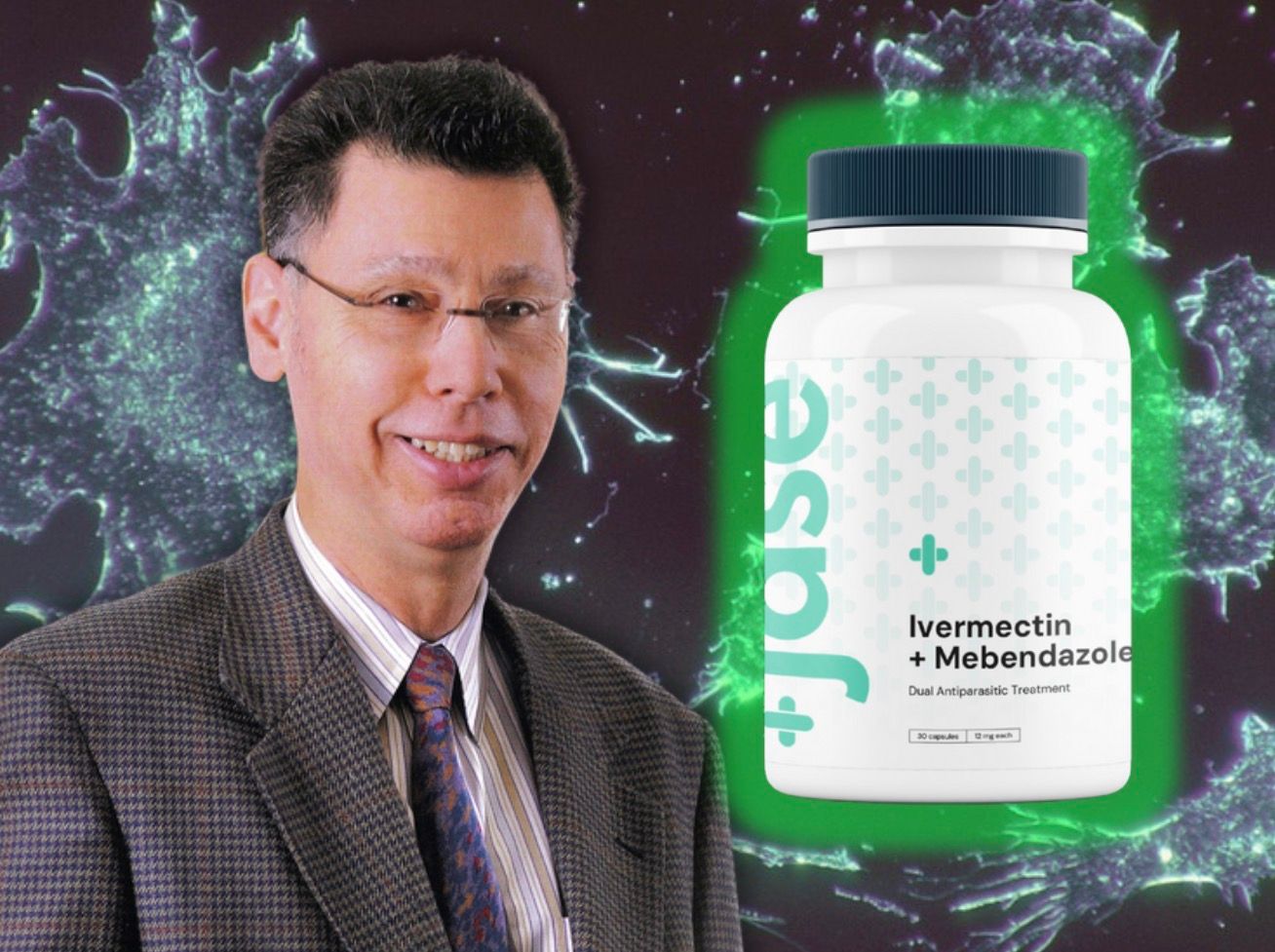
The chair of the President’s Cancer Panel is a co-author on a new paper promoting ivermectin as a cancer treatment. The paper is backed by two anti-vaccine organizations, including a supplements company with which he is affiliated and which sells the drug.
The antiparasitic ivermectin was widely promoted amid the pandemic, particularly on the political right, as a possible COVID-19 treatment despite research showing it was not effective against the disease. Over time, advocates have expanded their claims about the drug’s benefits to include treating an array of diseases like cancer despite research not supporting those uses.
Dr. Harvey Risch, an emeritus professor of epidemiology at Yale Medical School, was appointed by President Trump late last year to lead the influential panel. He is a co-author of “Real-world Clinical Outcomes of Ivermectin and Mebendazole in Cancer Patients: Results from a Prospective Observational Cohort.” Published in the June 2026 issue of the journal Anticancer Research, it purports to show positive results from treating cancer patients with a combination of ivermectin and another antiparasitic drug, mebendazole, and concludes that more study is warranted.
As the chair of the body that oversees the National Cancer Institute’s National Cancer Program and advises the president, Risch is potentially positioned to make those studies happen. In his first post on X since his appointment, he shared the study and indicated his support for more research with the drugs.
“Our study of the use of Ivermectin and Mebendazole as an adjunctive cancer treatment has been published,” Risch wrote. “The positive results provide a signal of possible benefit that needs confirmation in more formal study.”
Behind the new ivermectin paper are two anti-vaccine organizations: The McCullough Foundation, the nonprofit of anti-vax former cardiologist Peter McCullough, who is an author on the study, and The Wellness Company (TWC).
A telehealth and supplements company founded in 2022 by business scion Foster Coulson, TWC is known for offering unproven treatments like a COVID-19 vaccine “spike detox” supplement developed by McCullough, who has had COVID-related research retracted. It also sells a compounded formulation of ivermectin and mebendazole.
All of the authors on the Anticancer paper disclosed an affiliation with TWC as a conflict of interest—Risch is the company’s chief epidemiologist and McCullough its chief scientific officer. The study’s participants too were recruited from TWC clientele.
“The sample included adults…with confirmed cancer diagnoses who received off-label prescriptions for the ivermectin-mebendazole protocol from licensed U.S. healthcare providers affiliated with The Wellness Company…telemedicine platform,” the paper notes.
Experts who reviewed the study for Important Context criticized its design, methodology, and conclusions.
Dr. David Gorski, a surgical oncologist and professor at Wayne State University School of Medicine, described the paper as a “small uncontrolled observational cohort for which the observations were collected from surveys of patients who received off-label prescriptions…through the telemedicine platform.”
“Patient descriptions of their disease are not reliable indicators whether any drug has had a therapeutic effect,” he said. “Even if they were, there is no control group to compare this cohort to. Using such methods calculating a clinical benefit ratio is meaningless.”
Dr. Robert Morris, an epidemiologist affiliated with the UW School of Public Health, had a similar critique of the study.
“Everything about it is flawed,” he said, calling it “fundamentally an announcement that Harvey Risch has decided to end his career as a serious researcher.”
Morris also pointed out the lack of a control group, explaining that “They prescribed an unproven treatment at inconsistent doses to patients that they never evaluated in person with more than a dozen different cancer types at various stages, more than a third of which had progressive disease.” He noted that many, if not most, of the patients were receiving other forms of treatment, like chemotherapy and surgery.
“A third of patients were lost to follow-up which was nothing more than self-reported disease status,” he said. “No effort was made to account for the impact of conventional treatment. There was no control group. No information was available on disease status of patients lost to follow up.”
“No [institutional review board] would ever have approved this study,” he added.
Gorski is a scientific adviser to The Accountability Journalism Institute, which publishes Important Context, and Morris is a member of the board of directors.
The TWC paper is not Risch’s first foray into the medical fringes. The Yale professor has long promoted hydroxychloroquine for COVID—including as recently as November last year—despite research showing it is not effective against the disease.
The antimalarial drug was initially popularized on the right as a pandemic “game changer” by Trump and his allies, seeking a justification to end COVID restrictions ahead of the 2020 election. The FDA initially granted hydroxychloroquine an emergency use authorization as a COVID treatment, but withdrew it following large-scale studies indicating it offered no benefit. According to a 2022 congressional report, Risch and McCullough were both part of a “conspiracist network” mobilized by the Trump administration to pressure the FDA into reversing the withdrawal decision.
Risch also backed ivermectin as a COVID treatment, which was the right’s successor to hydroxychloroquine. At the same time, he helped fuel mRNA vaccine hesitancy, speculating that the shots caused “turbo cancer.”
The idea that ivermectin can treat cancer has been gaining purchase on the right for some time. In an appearance on The Joe Rogan Experience in January last year, actor Mel Gibson claimed that a combination of ivermectin and another antiparasitic, fenbendazole, cured three of his friends with stage 4 cancer.
A number of other prominent right-wing figures have also suggested the dewormer might have anti-cancer use, including Florida First Lady Casey DeSantis and Dilbert creator Scott Adams, who tried a combination of the drug with febendazole as an experimental treatment before he died at 68 from stage 4 metastatic prostate cancer.
In February, the NIH announced it would be looking into ivermectin for cancer. The focus on the antiparasitic comes as the Trump administration has overseen drastic cuts to cancer research, including a 31 percent drop in the first quarter of last year.
While the authors of the new Anticancer paper on ivermectin and mebendazole called for more research, TWC has already begun using the “groundbreaking” study to market its compounded formulation of the drugs.
“This isn’t clinical science,” Gorski said of the paper. “It’s marketing disguised as science.”